Blog
November 16, 2026
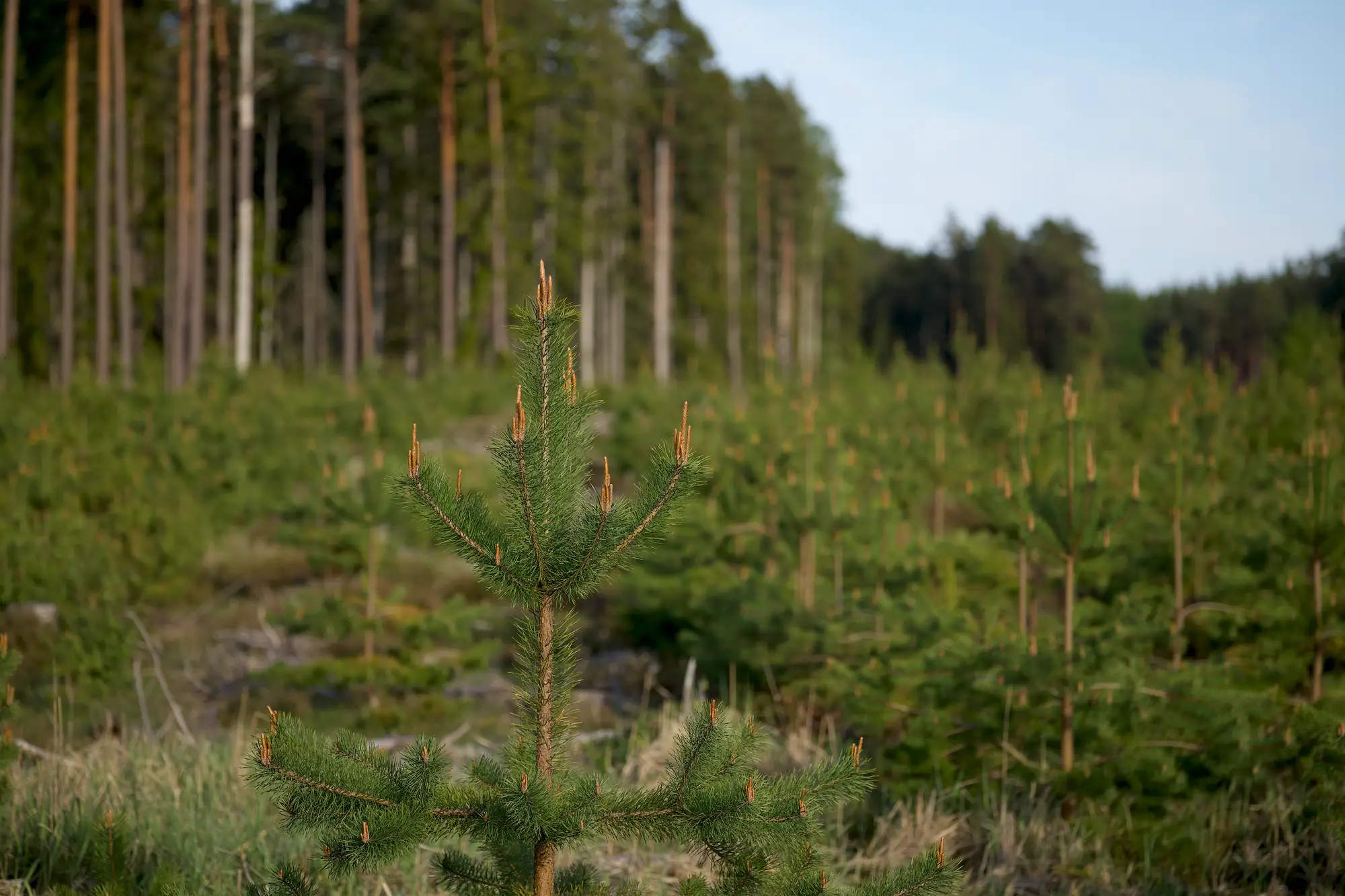 Field notes: the dossier that came back from the verifier with one sticky note
A verification report comes back with a single sticky note on page 34. It's rarely the science that stalls issuance. It's the dates.
November 16, 2026
 What is a stratification map, and why your registry keeps asking for one
A plain explanation of carbon project stratification maps: what they show, why VCS and CDM methodologies require one, and how to keep yours audit-ready.
November 9, 2026
 Validation vs verification: where the line falls
A carbon project developer's plain-language breakdown of validation vs verification, first verification vs ongoing monitoring, and what each checks.
November 9, 2026
 What a project design document is, and why it sets your monitoring baseline
A plain look at what a PDD actually locks in, why its baseline scenario outlives the document, and what that means for your monitoring reports.
November 2, 2026
Field notes: the vintage year the canopy outran the modelWhen a vintage year's canopy closure beats the growth curve, a verifier won't take it on faith. Notes on building the record that explains why.
November 2, 2026
What is a vintage year in carbon credit issuance, and why date it to imagery?Vintage year marks when a carbon removal happened, not when it was sold. Here's why registries want that date backed by dated imagery.
October 26, 2026
 How to build a monitoring report package for registry verification
A practical breakdown of the monitoring report structure and VVB document checklist for annual registry verification, plus where VHR evidence fits.
October 26, 2026
 What is a verification audit trail in carbon project monitoring
What a verification audit trail is in carbon project monitoring, what VVBs check at desk review, and how to build a dated evidence chain.
October 19, 2026
Ex-ante vs ex-post carbon credit issuance, explained for ARR projectsEx-ante vs ex-post carbon credit issuance explained for ARR project developers: what each means for your monitoring report and crediting timeline.
October 19, 2026
Field notes: the week the verifier asked for proof our baseline predates plantingA verifier's one-line question about baseline imagery dates turned into a week of digging. Notes on what pre-planting baseline proof requires.
October 14, 2026
How long should a monitoring period be for an ARR project?Monitoring period length for ARR carbon projects, first verification timing, and why planting year drives the schedule more than the methodology does.
October 14, 2026
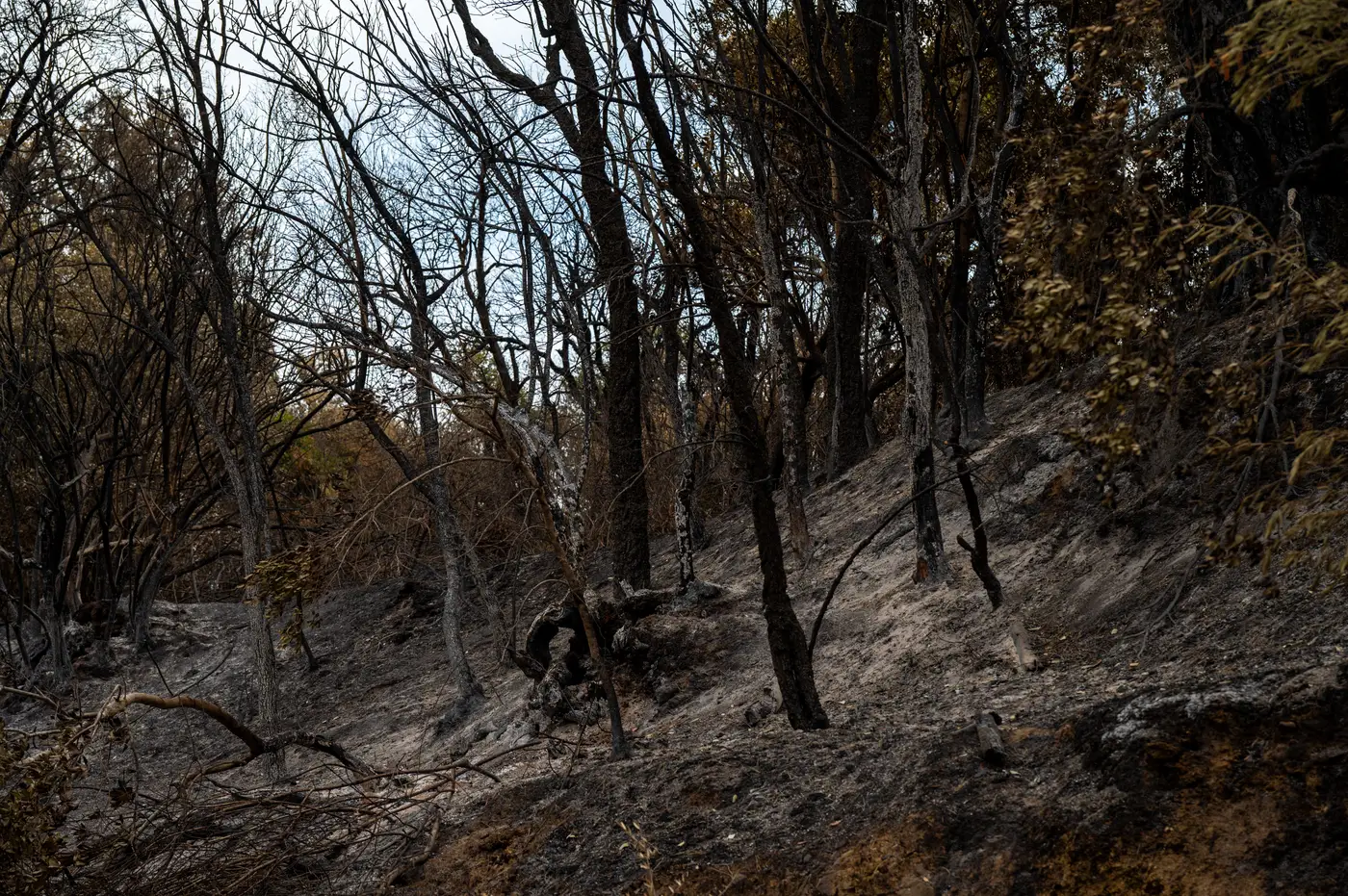 What is a non-permanence risk buffer in carbon credit issuance?
A plain explainer on non-permanence risk buffers, how the buffer pool deduction is set, and what verifiers check each cycle.
October 13, 2026
How to document leakage for a REDD+ monitoring reportHow to document leakage for a REDD+ monitoring report: defining the leakage belt, evidencing activity displacement, and what verifiers check.
October 13, 2026
What counts as a reversal event under VCS non-permanence risk rulesA plain-language look at what VCS counts as a reversal event, how it splits natural from avoidable loss, and what that means for your buffer pool.
October 7, 2026
How to calculate canopy cover change from satellite imageryA field guide to calculating canopy cover percentage from VHR imagery and tracking year-over-year change for registry monitoring reports.
October 7, 2026
How to measure tree planting survival rate for carbon registriesA field guide to telling survival count from stocking rate, and what verifiers expect to see as evidence in a carbon project monitoring report.
October 7, 2026
VCS vs Gold Standard monitoring report requirements, comparedA field-level comparison of what Verra's VCS monitoring report template and Gold Standard's monitoring requirements ask a project developer to show.
October 7, 2026
What counts as additionality evidence for carbon credit verificationA field guide to additionality documentation: what verifiers want to see, and how monitoring data fits the case.